


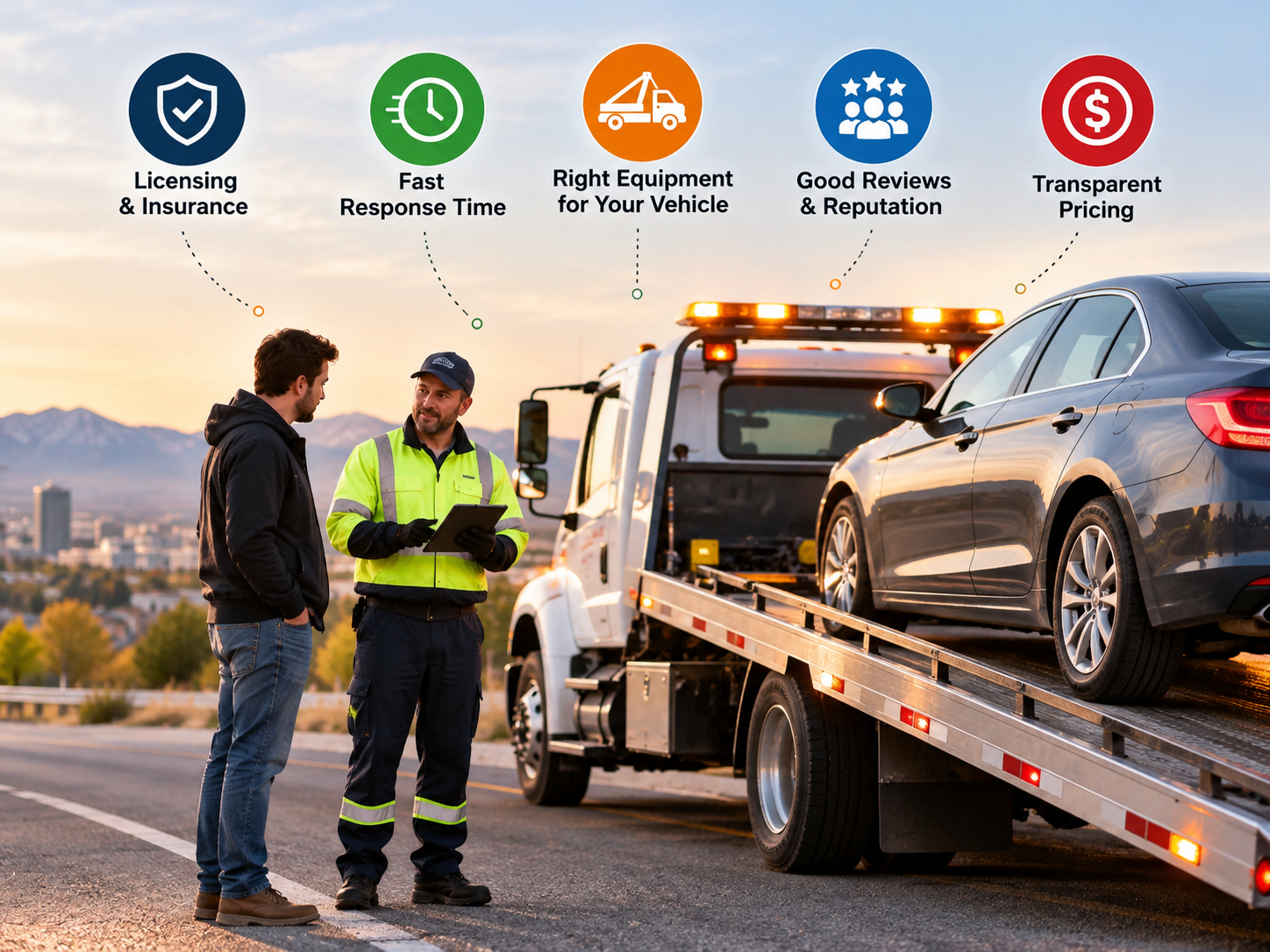
Choosing the right towing provider can make a stressful roadside situation easier to manage. Whether your car breaks down on a busy road, your vehicle is damaged in an accident, or your engine stops working unexpectedly, finding dependable towing assistance is essential. Drivers in Aurora, Colorado, need a towing company that understands local roads, responds professionally, and transports vehicles safely.
When comparing an Aurora Tow Truck Service, consider factors such as response time, towing equipment, service availability, pricing transparency, and driver experience. Understanding these details can help you make a practical decision when your vehicle cannot be driven safely.
For drivers seeking professional roadside support, MPH Towing and Recovery provides information about towing and recovery services for motorists in Aurora and surrounding communities.
When a vehicle breaks down, waiting for assistance can be frustrating, particularly during bad weather, heavy traffic, or nighttime travel. A towing company familiar with Aurora can better understand local road conditions, major routes, and common traffic challenges.
Before choosing a towing provider, ask about its current availability and estimated arrival time. A clear estimate helps you plan while waiting for assistance.
Consider these factors when evaluating response times:
Response times can vary depending on traffic, weather, distance, and the number of active service calls. A reliable provider should communicate these limitations clearly.
Not every vehicle problem requires the same towing method. A standard passenger car may need a different solution from a damaged SUV, a vehicle stuck off the roadway, or a commercial truck experiencing mechanical trouble.
Before contacting a towing company, determine whether it offers the service your situation requires.
Common towing and recovery services include:
Ask the dispatcher to recommend an appropriate service based on your vehicle, its condition, and its location. Selecting the correct equipment helps reduce the risk of additional damage during loading and transportation.
Professional handling is one of the most important factors when selecting a tow truck company. Improper towing techniques can cause additional damage to a vehicle’s body, suspension, drivetrain, or undercarriage.
A dependable provider should understand how to secure different vehicle types and select suitable equipment for the job.
Before confirming service, consider asking:
If your vehicle has sustained collision damage, tell the dispatcher about visible damage, leaking fluids, deployed airbags, or wheels that cannot turn. This information can help the operator prepare for safer loading and recovery.
Drivers should also follow any applicable vehicle-manufacturer towing recommendations, especially for electric vehicles and vehicles with specialized drivetrains.
Towing costs can vary depending on the distance, vehicle size, service type, time of day, and recovery conditions. A short roadside tow may cost less than a long-distance transport or a complicated recovery from a ditch.
Asking about pricing before service begins can help prevent unexpected expenses.
When requesting an estimate, ask whether the quoted price includes:
Request an itemized estimate when possible, and clarify whether additional charges could apply if conditions change.
A low initial quote should not be the only deciding factor. Compare the overall service, equipment, communication, and expected costs before making your decision.
Local knowledge can be valuable when your vehicle becomes disabled. Aurora includes residential neighborhoods, commercial areas, major roads, and routes with changing traffic conditions. A provider familiar with the area may be better prepared to coordinate pickup and transportation.
When comparing an Aurora towing provider, confirm that it serves your specific location rather than assuming all companies cover every neighborhood.
Share useful details with the dispatcher, including:
Accurate information can help the towing company determine which truck to send and whether specialized equipment may be necessary.
Good communication is particularly important when you are stranded and unsure what to do next. A professional towing provider should explain the available options, confirm important details, and answer reasonable questions about the service.
Pay attention to how the company handles your initial inquiry. Does the dispatcher listen carefully? Are pricing and arrival estimates explained clearly? Can you understand what will happen once the tow truck arrives?
These details can help you assess the company’s professionalism before committing to service.
You can also review publicly available customer feedback for recurring patterns involving punctuality, vehicle handling, billing clarity, and customer support. Look for detailed, credible reviews rather than relying exclusively on star ratings or isolated comments.
For additional information about local towing assistance, visit Aurora Tow Truck Service for vehicle towing and recovery in Aurora, Colorado.
Vehicle trouble does not always happen during convenient hours. A breakdown may occur early in the morning, late at night, or during a winter storm. Before an emergency occurs, it is useful to know which towing companies offer assistance during the hours you may need it.
Ask whether the company accepts emergency calls, what areas it covers, and whether specialized recovery services are available when needed.
While waiting for assistance, prioritize personal safety:
If remaining inside the vehicle would expose you to an immediate hazard, move to a safer location only when it is safe to do so. Contact emergency services when there is an immediate threat to personal safety.
The right towing method depends on the vehicle’s condition, drivetrain, clearance, and the reason it needs assistance.
For example, a vehicle with severe accident damage may require specialized loading equipment. Some all-wheel-drive vehicles may require flatbed transportation or another manufacturer-approved method. A vehicle stuck in a ditch may need winching before it can be moved.
Do not assume that every tow truck is suitable for every vehicle.
Provide the towing company with accurate information about mechanical problems, visible damage, wheel condition, and any modifications that could affect loading. If you drive an electric vehicle, mention this before the truck is dispatched.
A suitable towing plan helps protect the vehicle and gives the operator a clearer understanding of the work involved.
Choosing a towing company also means understanding where your vehicle will be taken and how the transportation will be handled.
Before the tow begins, confirm the destination, estimated cost, and any instructions required by your repair shop or insurance provider. If the vehicle is being removed after an accident, ask whether additional documentation or authorization is needed.
You should also remove valuables and personal belongings when it is safe and practical to do so. If the vehicle is severely damaged or cannot be accessed safely, tell the towing operator rather than attempting to retrieve items yourself.
Clear arrangements can reduce confusion and help ensure that your vehicle reaches the intended destination.
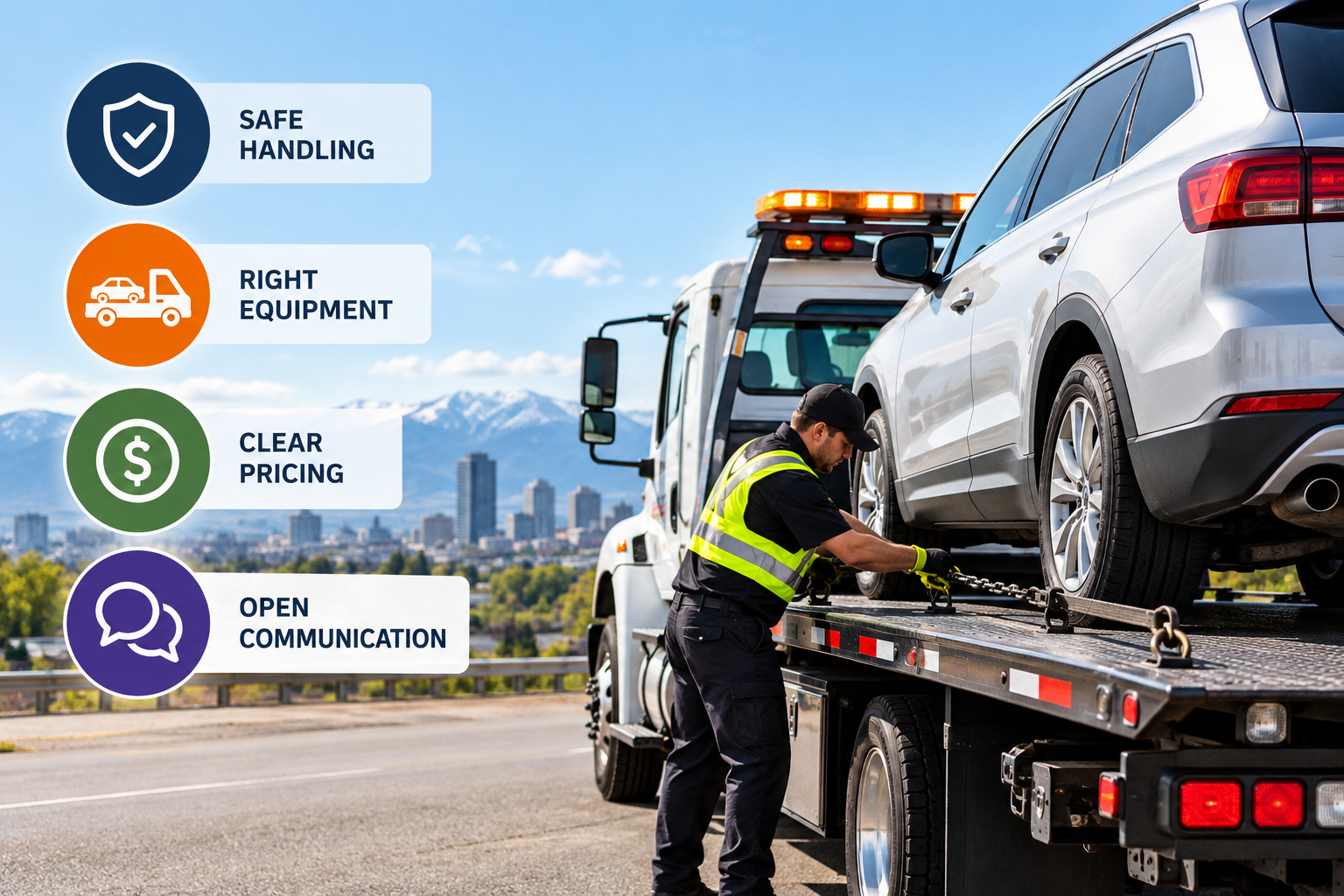
Drivers looking for towing assistance in Aurora, Colorado, should prioritize safe vehicle handling, appropriate equipment, transparent pricing, and clear communication.
MPH Towing and Recovery serves drivers seeking towing and recovery assistance in Aurora, Denver, and surrounding areas. Depending on the situation, drivers may need passenger-vehicle towing, accident recovery, heavy-duty towing, or roadside support.
When requesting service, explain your vehicle’s condition, your location, and the type of assistance you need. Confirm availability, estimated arrival time, pricing, and the proposed towing method before proceeding.
Taking these steps helps you make an informed decision when your vehicle cannot be driven safely.
Look for local service coverage, realistic response estimates, suitable towing equipment, experienced operators, transparent pricing, and clear communication. Confirm that the provider can handle your specific vehicle and situation.
Towing costs depend on factors such as distance, vehicle size, time of day, towing method, and recovery complexity. Ask for an estimate and clarify any additional charges before authorizing the service.
Yes. Depending on the company’s capabilities and the vehicle’s condition, accident recovery services can help remove and transport damaged vehicles. Severe damage may require specialized equipment and careful loading.
Flatbed towing is suitable for many vehicles, including certain damaged, low-clearance, and all-wheel-drive vehicles. However, the correct method depends on the manufacturer’s recommendations and the vehicle’s condition.
Provide your location, vehicle make and model, description of the problem, vehicle condition, and preferred destination. Mention any collision damage, blocked wheels, or special vehicle requirements.
Availability varies by provider. Ask whether emergency or after-hours service is offered and confirm the estimated arrival time for your location.
Visit the MPH Towing and Recovery contact page to find contact information and inquire about available towing or recovery services. Explain your situation and confirm service availability, pricing, and arrival estimates.
Choosing the right towing provider comes down to safety, experience, suitable equipment, transparent pricing, and dependable communication. By checking these factors before authorizing a tow, you can make a more informed decision during a breakdown, accident, or roadside emergency.
For towing and recovery assistance in Aurora and surrounding communities, contact MPH Towing and Recovery for professional vehicle towing and roadside support. Explain your vehicle’s condition and location so the team can help determine the appropriate service.
Visit the Contact Us page to inquire about Aurora towing services and confirm availability, estimated arrival time, and pricing for your specific situation.
Copyright © 2026 MPH Towing and Recovery