


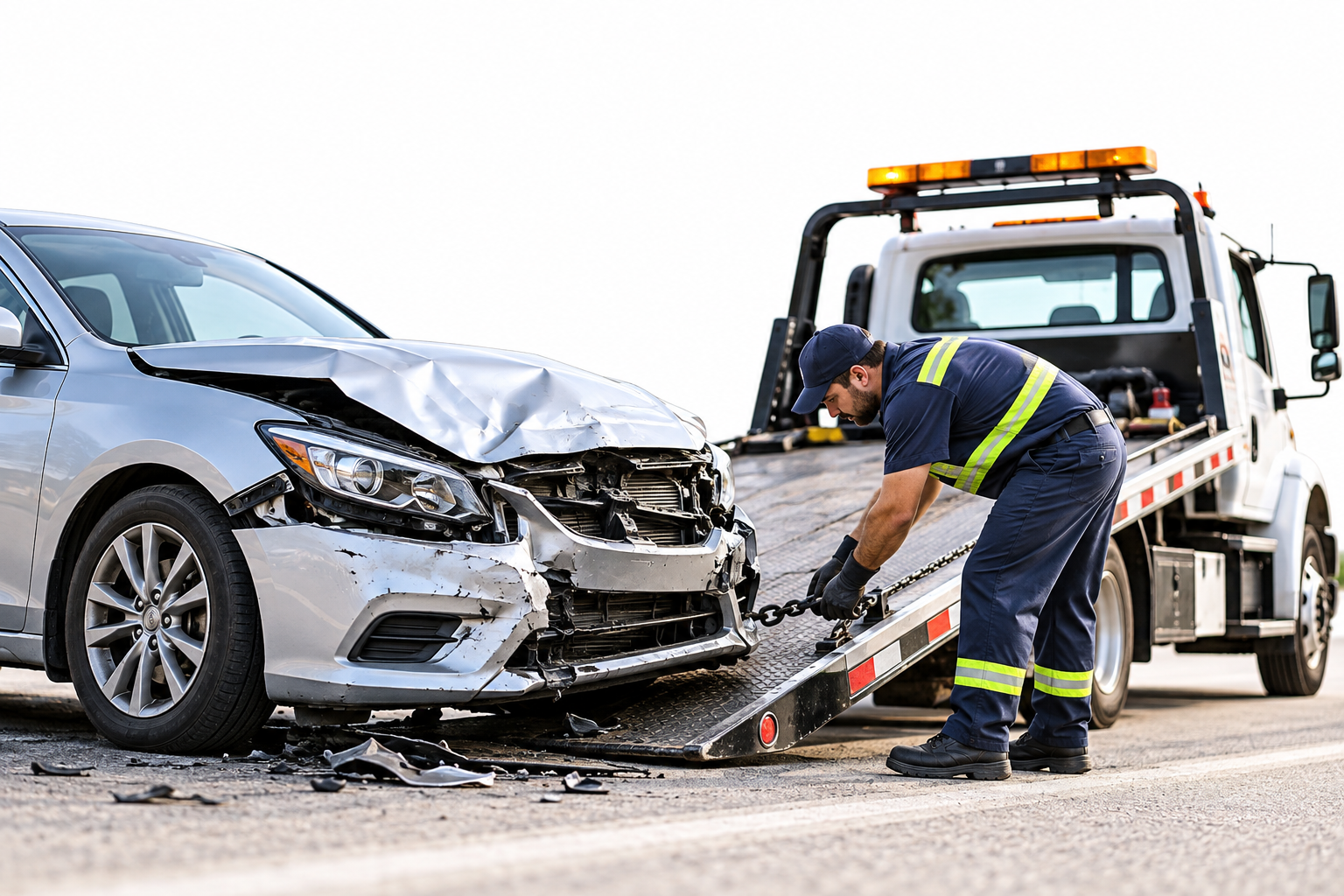
A vehicle collision can be stressful, whether it happens on a busy road, at an intersection, or on a highway in Aurora, Colorado. Even a minor accident can leave a vehicle unsafe to drive, while a serious collision may cause significant damage that requires professional recovery. In these situations, a reliable towing service can help drivers move damaged vehicles safely and manage the next steps after an accident.
An experienced towing provider can assist with accident recovery, vehicle transportation, and roadside support when a car cannot be driven. Choosing a professional Aurora Tow Truck Service helps reduce the risks associated with moving a damaged vehicle and provides practical assistance during an unexpected situation.
For drivers in Aurora and nearby communities, MPH Towing and Recovery for professional towing and accident recovery services in Aurora, Colorado offers information about towing and recovery solutions for motorists facing vehicle trouble. Understanding how towing services work after a collision can help you make informed decisions and prepare for an emergency.
After an accident, a vehicle may have damaged wheels, leaking fluids, a misaligned suspension, or other mechanical problems that make driving unsafe. Even if the engine starts, hidden damage could affect steering, braking, or overall vehicle stability.
Attempting to drive a collision-damaged car can worsen the damage and potentially create another safety hazard. Professional towing helps remove the vehicle from the roadway when it is safe and legally appropriate to do so.
A towing professional can assess the vehicle’s condition, determine an appropriate loading method, and transport it to a repair shop, storage facility, or another authorized destination.
Professional towing is particularly useful when:
When the damage is extensive, specialized accident recovery may be necessary to move the vehicle without causing additional harm.
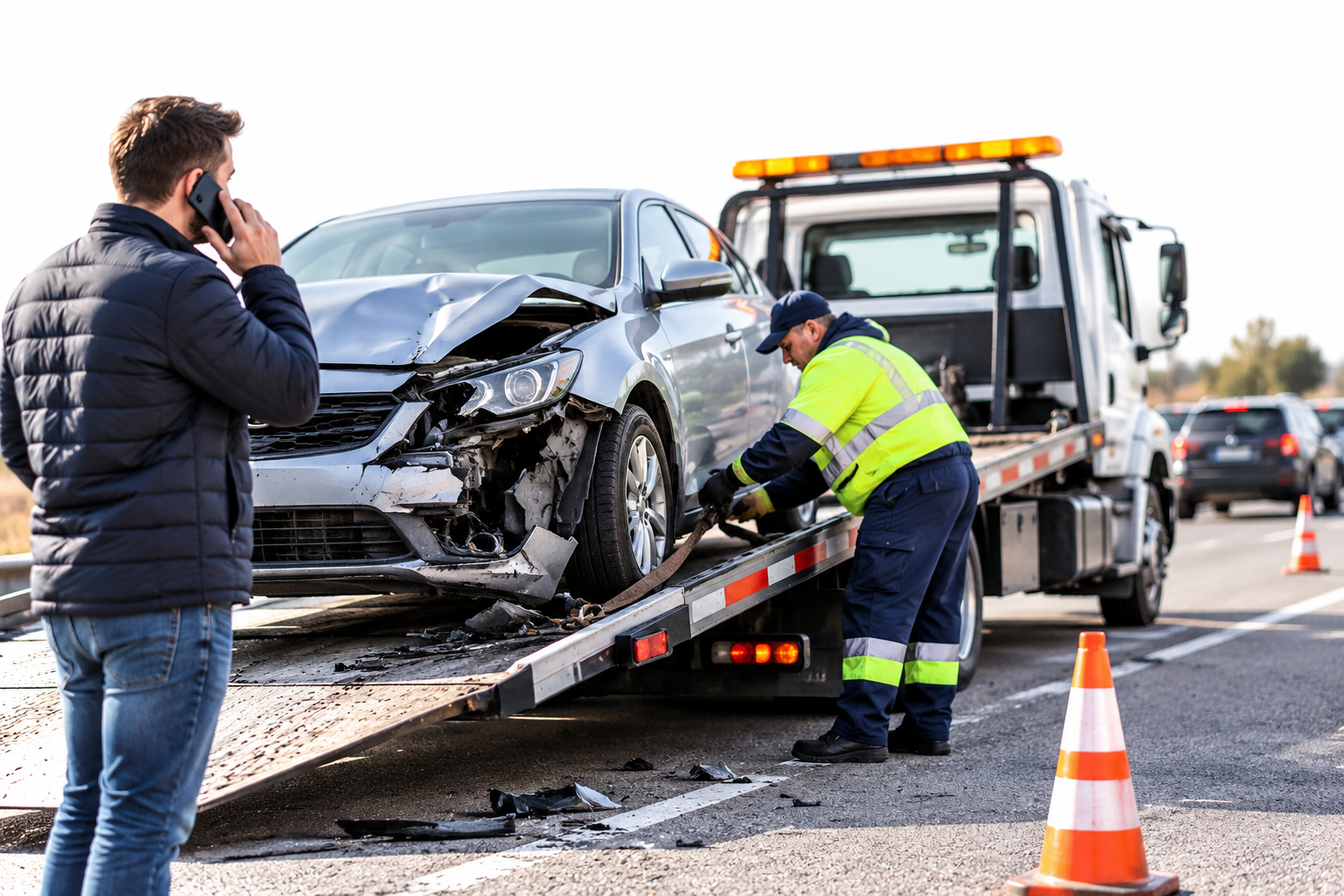
An accident scene can involve damaged vehicles, traffic congestion, debris, and uncertainty about what to do next. A professional towing service helps address the vehicle recovery portion of the situation.
One of the main responsibilities of an accident towing provider is transporting a disabled vehicle away from the collision scene. Depending on the damage, a tow truck operator may use a flatbed truck, wheel-lift equipment, or specialized recovery tools.
Flatbed towing can be especially appropriate for vehicles with damaged wheels, certain suspension problems, or concerns about additional wear during transportation. The appropriate method depends on the vehicle type, its condition, and the operator’s assessment.
Choosing an Aurora Tow Truck Service for reliable vehicle towing and collision recovery can help drivers arrange suitable transportation for a damaged vehicle. Provide accurate details about the collision and vehicle condition so the operator can determine what equipment may be required.
A disabled vehicle left in a traffic lane can create additional risks for other motorists. Once emergency personnel have addressed immediate safety concerns and authorized the vehicle’s removal, towing professionals can help clear the roadway.
This assistance is valuable on busy Aurora streets, at intersections, and along major routes where a stationary vehicle may obstruct traffic.
Drivers should not attempt to push or move a severely damaged vehicle themselves, especially when traffic is moving nearby. Follow instructions from police, fire personnel, and other emergency responders.
Some collisions leave vehicles in positions that make ordinary towing difficult. A car might be stuck off the roadway, positioned awkwardly after an impact, or unable to roll because of wheel damage.
Accident recovery may require winching, controlled repositioning, or additional equipment. The operator must evaluate the situation and select a recovery method appropriate to the vehicle and surroundings.
Professional recovery reduces the likelihood of causing further damage during the removal process. More complex incidents may also require coordination with law enforcement, property owners, or other recovery personnel.
After a collision, drivers may need their vehicles transported to an auto repair shop, body shop, dealership, or secure storage location.
A towing provider can help arrange this transportation when the vehicle is no longer roadworthy. Before the truck arrives, drivers should confirm the destination, towing arrangements, and any relevant instructions from their insurance company or repair facility.
If the vehicle contains personal belongings, ask whether you can safely retrieve them before towing. Do not enter a vehicle that emergency personnel have declared unsafe.
Taking a few practical steps can make the recovery process more organized.
Prioritize personal safety. Check for injuries and call 911 when emergency medical assistance, fire services, or police are needed. Move to a safe location away from moving traffic if possible.
Follow emergency instructions. Do not interfere with an active accident investigation or attempt to move a vehicle when emergency personnel have restricted access.
Document the damage. If it is safe and permitted, take photographs of the vehicle, its position, and visible damage. These records may be useful for insurance documentation.
Share accurate information. When requesting towing, provide your location, vehicle make and model, the type of damage, and whether the wheels can roll. Explain if the vehicle is in a difficult position or carrying a heavy load.
Confirm the destination. Decide where the vehicle should go, subject to police instructions, insurance requirements, and available repair arrangements.
These steps help the towing operator prepare the appropriate equipment and reduce avoidable delays.
Collision towing is not limited to passenger cars. Different vehicle types may require different equipment and handling procedures.
Not every towing truck is suitable for every recovery situation. Providing accurate information when requesting service helps the provider determine what equipment is needed.
Selecting a towing company after an accident is an important decision. Drivers should consider the provider’s experience, equipment, communication, and service coverage.
Look for a company that can explain its towing process, assess the type of recovery required, and communicate clearly about the destination and expected charges. Ask whether the company can accommodate your vehicle’s condition and whether additional recovery equipment may be necessary.
It is also sensible to confirm the estimated cost, payment arrangements, and any potential additional fees before authorizing service when circumstances allow.
Drivers looking for local assistance can visit MPH Towing and Recovery for information about towing and vehicle recovery in Aurora, Colorado and review the services relevant to their situation. Choosing a provider that understands the needs of local motorists can make the vehicle removal process more manageable after a collision.
Towing is often one of the first practical steps in handling a damaged vehicle after an accident. Once the vehicle has been moved to an appropriate location, the driver can work with the insurance company, repair facility, or other relevant parties to determine the next steps.
Keep towing receipts and records of where the vehicle was taken. If you plan to submit an insurance claim, ask your insurer whether it has preferred towing arrangements, storage requirements, or limits on covered expenses.
Some policies cover certain towing or recovery costs, but coverage depends on the specific policy and circumstances. Storage fees may also apply if the vehicle remains at a storage facility. Confirm these details directly with your insurer rather than assuming every expense will be reimbursed.
Organized documentation can help reduce confusion and support a smoother claims process.
Leaving a damaged vehicle unattended can expose it to traffic hazards, further damage, or unauthorized access. In some cases, a vehicle may also need to be removed promptly to restore safe traffic movement.
Arranging appropriate towing helps move the vehicle to a suitable location so the owner can focus on medical needs, reporting requirements, insurance communication, and repairs.
However, speed should never come at the expense of safety. Emergency responders must address immediate hazards and determine when the scene is ready for vehicle removal. A towing operator should follow those directions and use equipment appropriate to the circumstances.
For Aurora drivers, knowing how to request towing assistance before an emergency occurs can make it easier to respond calmly when a collision happens.
Call for towing when your vehicle cannot be driven safely, has significant mechanical or structural damage, or needs to be removed from the scene. Contact emergency services first if anyone is injured or there is an immediate safety hazard.
Yes, depending on the damage and the available equipment. A flatbed tow truck or specialized recovery equipment may be appropriate. Explain the condition of the wheels and tires when requesting service so the operator can assess the situation.
Flatbed towing is often a suitable option for collision-damaged vehicles because the vehicle can be transported with all four wheels off the ground. However, the best method depends on the vehicle’s condition, drivetrain, and the nature of the damage.
Coverage depends on your insurance policy, the circumstances of the collision, and any applicable coverage limits. Contact your insurance provider to confirm whether towing, recovery, and storage charges are covered.
Provide your location, vehicle make and model, a description of the damage, whether the vehicle can roll, and the preferred destination. Mention any hazards or difficult recovery conditions that may affect the equipment required.
In many cases, yes. A vehicle that has left the roadway may require winching or specialized recovery equipment. The appropriate method depends on the vehicle’s position, the terrain, surrounding hazards, and access to the recovery area.
Visit the MPH Towing and Recovery website to review available services and contact information. You can also use the Contact MPH Towing and Recovery page to request assistance with towing or vehicle recovery. Provide your location and vehicle details to help communicate your needs.
A vehicle collision can create unexpected challenges, from vehicle damage and traffic hazards to repair and insurance arrangements. Professional towing and recovery services help move disabled vehicles safely, support roadway clearance, and transport damaged cars to suitable destinations.
When you need assistance after an accident in Aurora, Colorado, MPH Towing and Recovery can be a resource for information about local towing and recovery services. Describe your situation clearly and confirm the appropriate equipment, destination, and service costs before authorizing towing when possible.
Visit MPH Towing and Recovery for Aurora towing and vehicle recovery information, or contact MPH Towing and Recovery to discuss your towing needs and request assistance.
Prioritize safety, follow emergency personnel’s instructions, and arrange professional towing whenever your vehicle is not safe to drive after a collision.
Copyright © 2026 MPH Towing and Recovery