


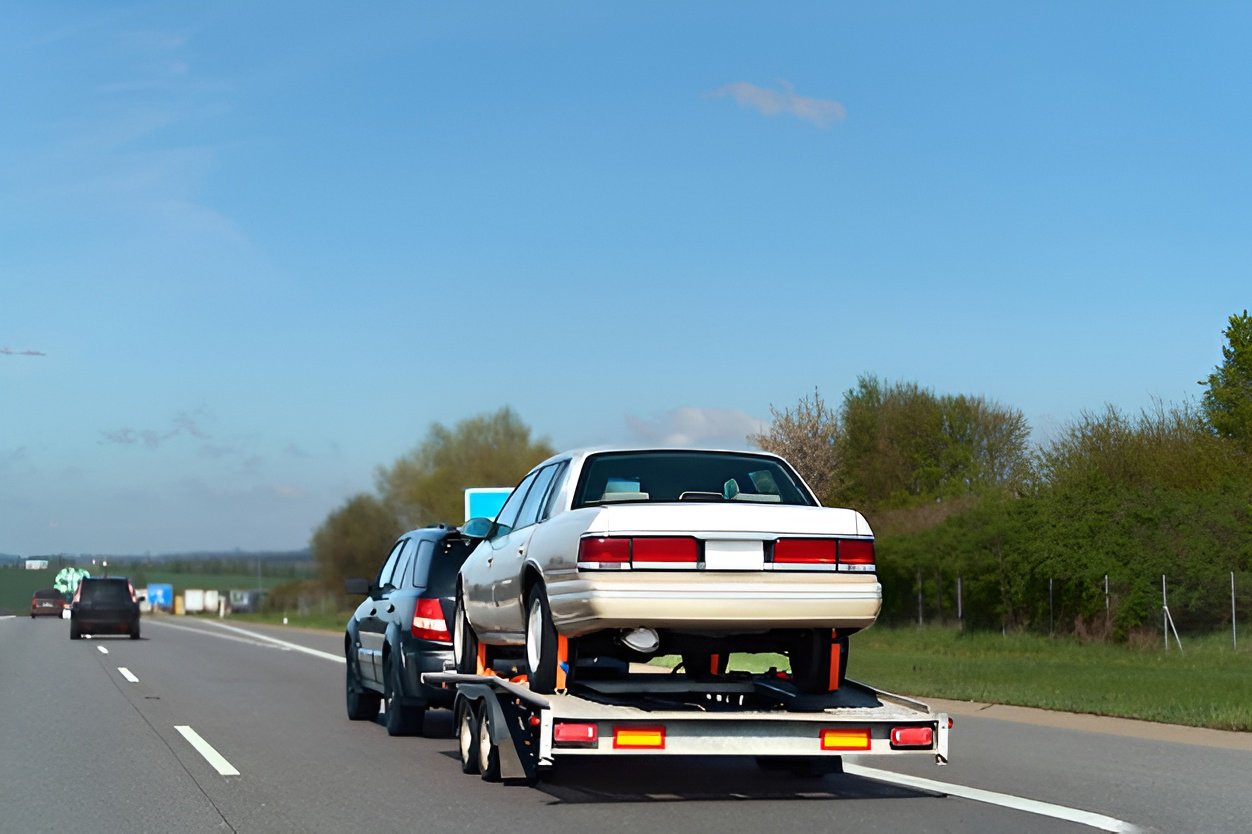
When your vehicle breaks down or you’re involved in an unexpected roadside incident, knowing what to do first can make a significant difference in your safety, cost, and overall experience. Whether it’s a flat tire, engine failure, or an accident, taking the right initial steps ensures a smoother towing process and helps you avoid unnecessary stress. If you’re in need of Car Towing Aurora Co, here’s a practical, step-by-step guide to help you respond effectively.
Your first priority should always be safety. As soon as you realize your vehicle cannot continue operating safely, try to move it out of traffic. If possible, pull over to the shoulder, a parking lot, or a safe side street. Turn on your hazard lights to alert other drivers.
If you’re on a busy road or highway, remain inside your vehicle with your seatbelt fastened unless it’s unsafe to do so. In situations like accidents or breakdowns in high-traffic areas, staying visible and protected is critical.
At night or during poor weather conditions, visibility becomes even more important. Use reflective triangles or road flares if you have them, and keep your hazard lights on at all times.
Once you’re in a safe position, take a moment to assess what’s wrong. This doesn’t mean attempting repairs unless you’re confident and equipped to do so—it simply means understanding the issue.
Ask yourself:
This information will be helpful when you contact a towing service, as it allows them to dispatch the appropriate equipment. For example, a flatbed tow truck may be required for certain types of damage or vehicles.
After ensuring safety and assessing the issue, your next step is to contact a professional towing provider. Choosing a trusted service ensures your vehicle is handled properly and transported without additional damage.
A dependable option is MPH Towing and Recovery, known for responsive service and professional handling. Whether you need emergency towing or scheduled transport, working with an experienced team reduces uncertainty and ensures peace of mind.
When calling a towing company, be prepared to provide:
If you’re specifically searching for Car Towing Aurora Co, choosing a provider familiar with the local area can significantly reduce response times.
In most cases, it’s best to remain with your vehicle until help arrives. This allows you to communicate directly with the tow truck operator and ensures your car is handled according to your instructions.
However, if you feel unsafe—such as in extreme weather, an isolated area, or after a serious accident—move to a secure location nearby and inform the towing service of your exact position.
Before the tow truck arrives, take a few minutes to prepare your vehicle. This helps streamline the process and protects your belongings.
Key steps include:
If your car cannot be shifted into neutral or has severe damage, inform the towing provider in advance so they bring the right equipment.
Not all towing services are the same. Depending on your situation, you may require different types of towing:
A professional service like Car Towing Aurora Co will evaluate your situation and recommend the best method to prevent further damage.
Before your vehicle is towed, confirm the pricing structure. Transparent companies will provide clear estimates based on distance, vehicle type, and service complexity.
Also, double-check the destination. Whether you’re sending your car to a repair shop or your home, clarity at this stage prevents confusion later.
If you’re unsure where to send your vehicle, many towing providers can recommend reputable local repair facilities.
If your breakdown is related to an accident, documentation becomes essential. Exchange information with other parties involved and, if necessary, file a police report.
Additionally, check whether your insurance policy covers towing services. Many policies include roadside assistance, which can reduce or eliminate out-of-pocket costs.
Once your vehicle is safely towed, think ahead. Arrange alternative transportation if needed, and contact a mechanic for diagnosis and repair.
If the issue is minor, such as a dead battery or flat tire, some towing companies may offer roadside assistance to get you back on the road quickly without a full tow.
For more detailed service options, visit Car Towing Aurora Co to understand what’s available and choose the best solution for your needs.
When you’re stranded, quick and professional support matters. Don’t wait until a stressful situation becomes worse—reach out to a trusted provider that delivers prompt and reliable service. Whether you need emergency towing or scheduled assistance, MPH Towing and Recovery is ready to help.
For immediate assistance or to schedule a service, visit Contact us and get the support you need without delay.
Response times typically range from 30 to 60 minutes, depending on your location, traffic conditions, and service demand. Local providers usually offer faster assistance.
Turn on hazard lights immediately, stay inside your vehicle if it’s safe, and contact a towing service. Visibility and personal safety should be your top priorities.
Yes, most towing services allow you to select the destination, whether it’s your home, a repair shop, or another location.
Many insurance policies include roadside assistance or towing coverage. Check with your provider to understand your benefits and any limitations.
It depends on your vehicle and the issue. Flatbed towing is generally the safest option, especially for long distances or damaged cars.
It’s recommended, but not always required. If you cannot be present, coordinate with the towing company and provide clear instructions.
Copyright © 2026 MPH Towing and Recovery